Safety & Compliance Training | PWNA Courses
OSHA, EPA, and DOT compliance training for exterior cleaning contractors. Learn ladder safety, fall protection, chemical safety, and more.
The Regulatory Reality of Running an Exterior Cleaning Business
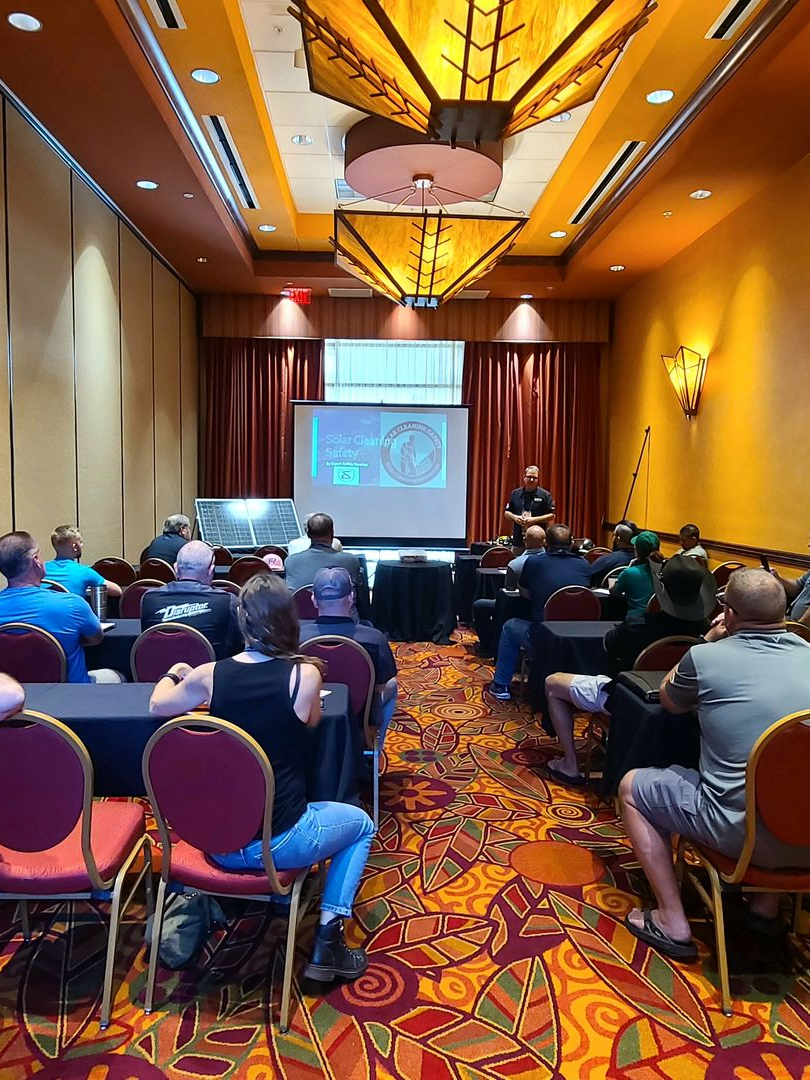
Exterior cleaning sits at the intersection of three regulatory bodies most contractors never dealt with before starting a business: OSHA governs how you protect your crew on the jobsite, the EPA governs what happens to the water and chemicals you use, and the DOT governs how you move equipment and chemicals on public roads. Miss any one of the three, and it's not just a fine — it's the kind of incident that ends up in a lawsuit, an insurance non-renewal, or a shut-down job site.
This training exists to close that gap before it costs you. It's organized around the situations that actually come up: getting a crew safely onto a roof, storing chemicals correctly, knowing what to do when someone's exposed to something they shouldn't be. None of it is theoretical — it's built by people who've run crews and had to make these calls in real time.
Protect Your Crew, Protect Your Business
Three federal agencies have a say in how you run your exterior cleaning business — and none of them send a warning before the fine hits. OSHA, the EPA, and the DOT each govern a different piece of your operation, from the jobsite to the truck to the wastewater running off the surface you just cleaned. This section breaks each one down into exactly what applies to you, so compliance stops being a guessing game and starts being one less thing you have to worry about.
Regulatory Compliance Training
One accident can change everything. OSHA violations, EPA fines, or a preventable injury don't just cost money—they can shut you down. Safety isn't paperwork. It's about getting everyone home at the end of the day and keeping your business running without disruption.
PWNA's safety and compliance training keeps you ahead of regulations and gives your crew the knowledge to work smart. These courses cover the real-world situations exterior cleaning contractors face every day, taught by people who've been in the field.
OSHA 1910 Training
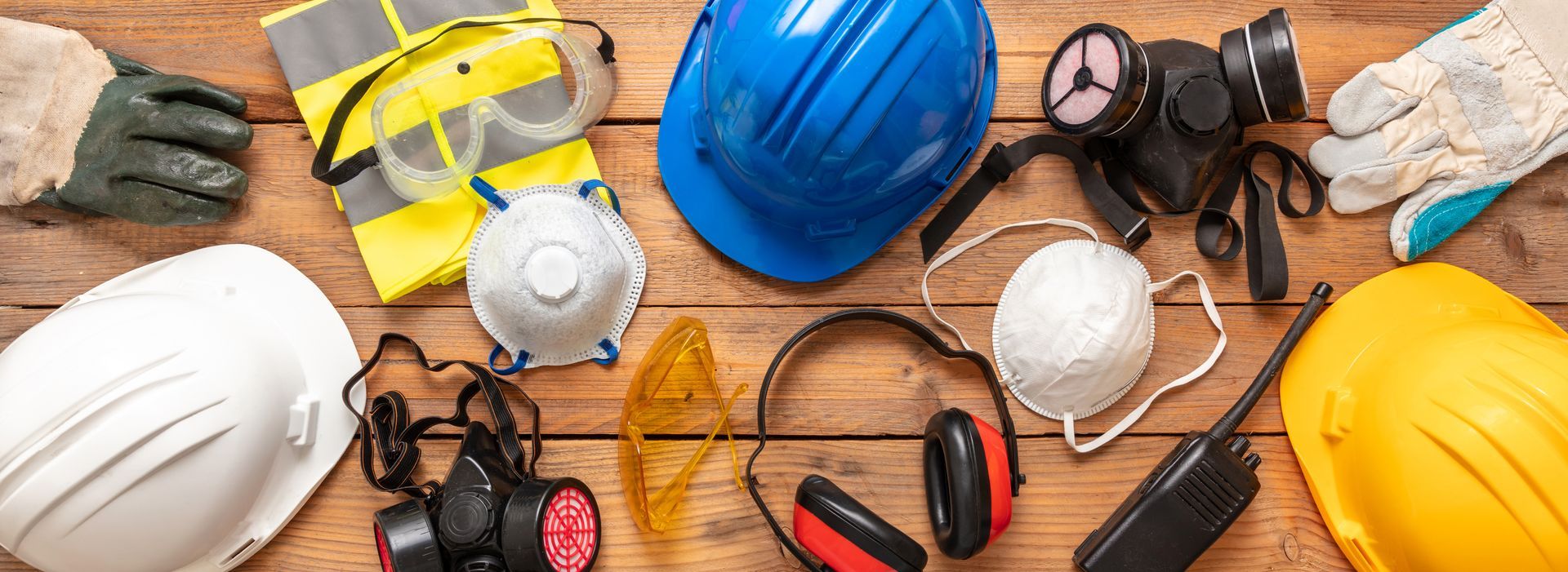
Meet General Industry Standard requirements for mobile contractors. Cover the essentials that keep you compliant and your team safe.
DOT Training
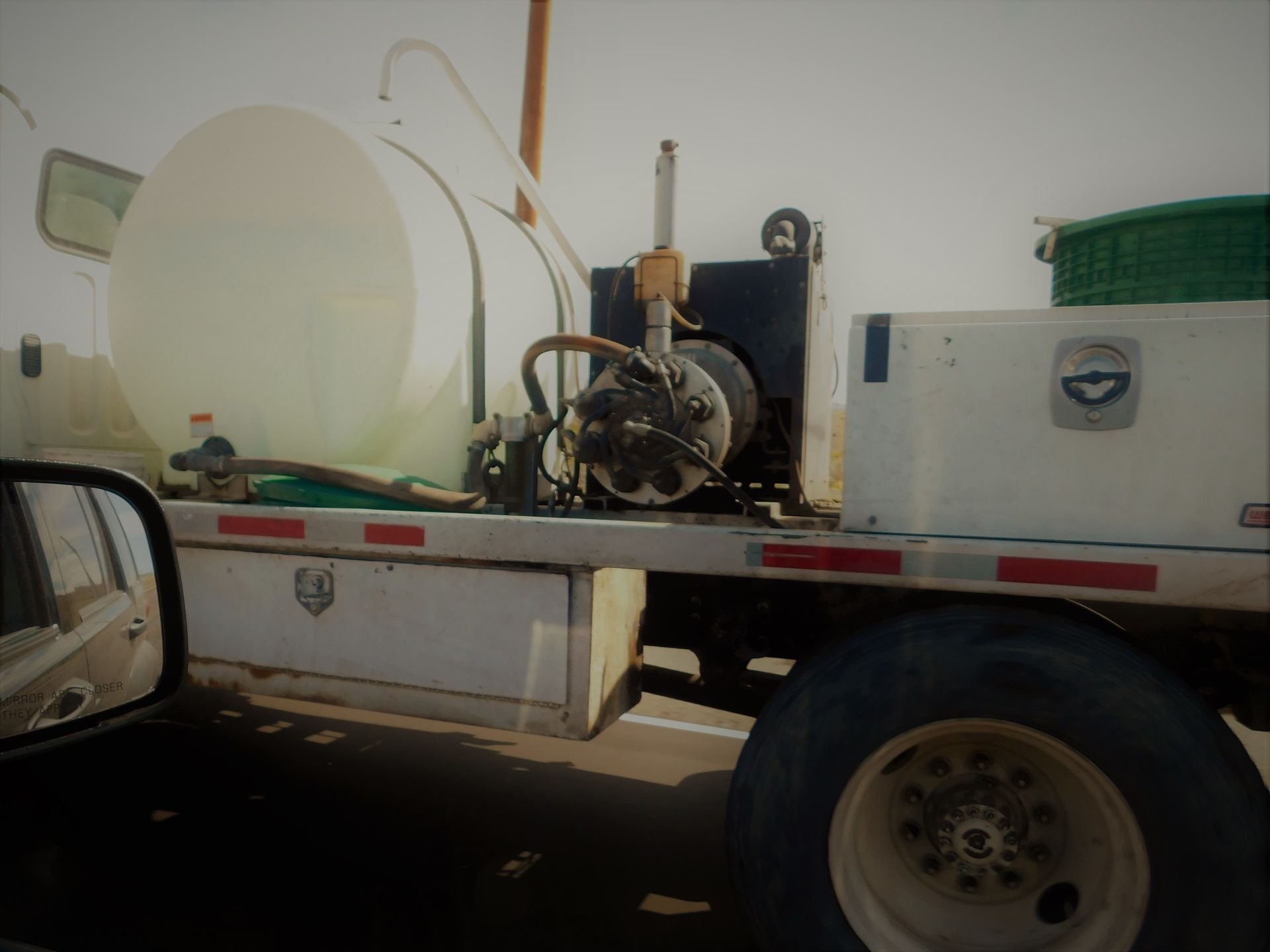
Understand Department of Transportation rules for your equipment, chemicals, trucks, and trailers. Stay legal on the highway.

Environmental EPA Training
Learn Clean Water Act compliance and responsible water reclamation. Protect the communities you serve and avoid costly violations.
Equipment and Technical Safety
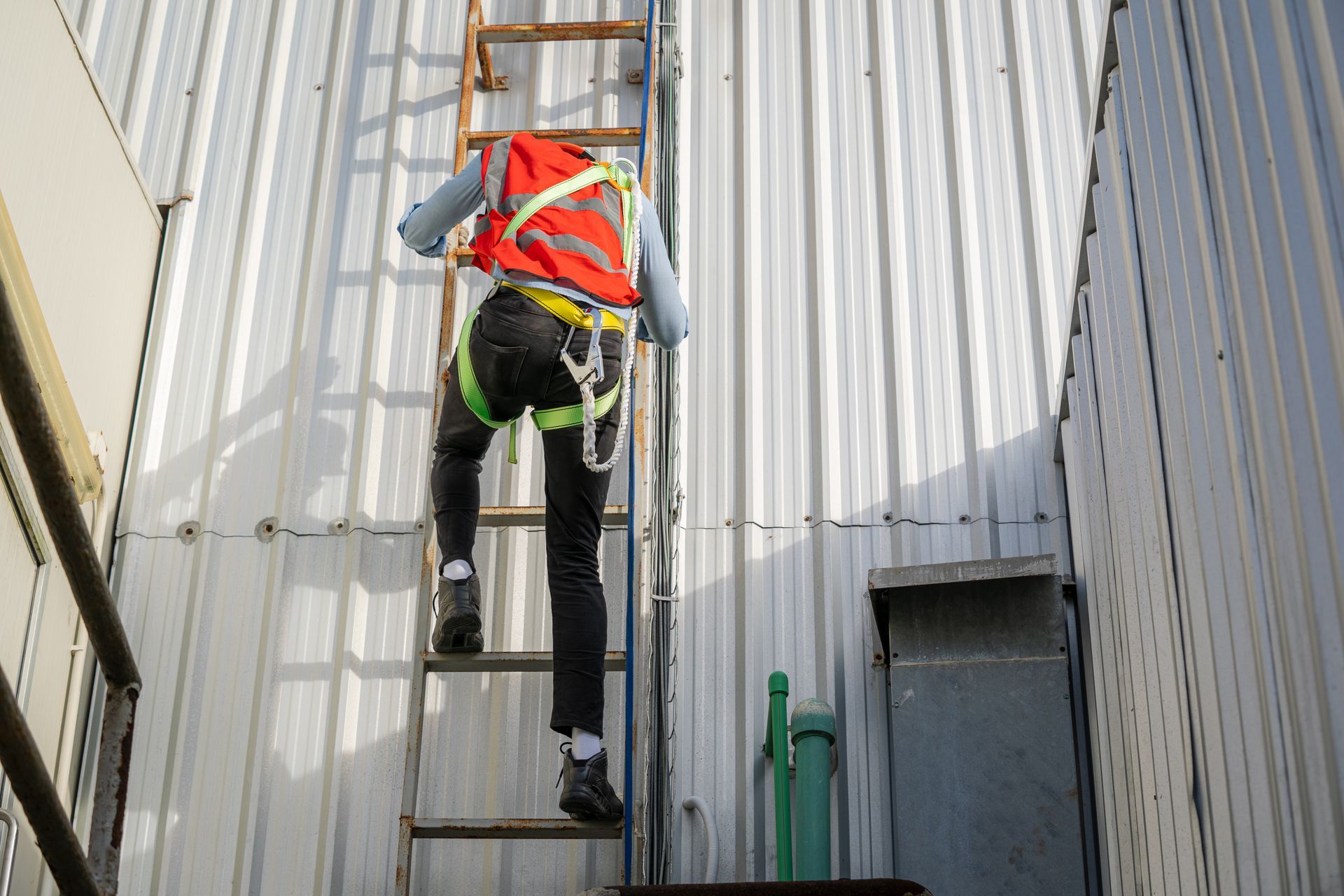
Ladder Safety Training
Proper ladder setup, climbing techniques, and fall protection. One of the most common hazards in our industry—get it right.
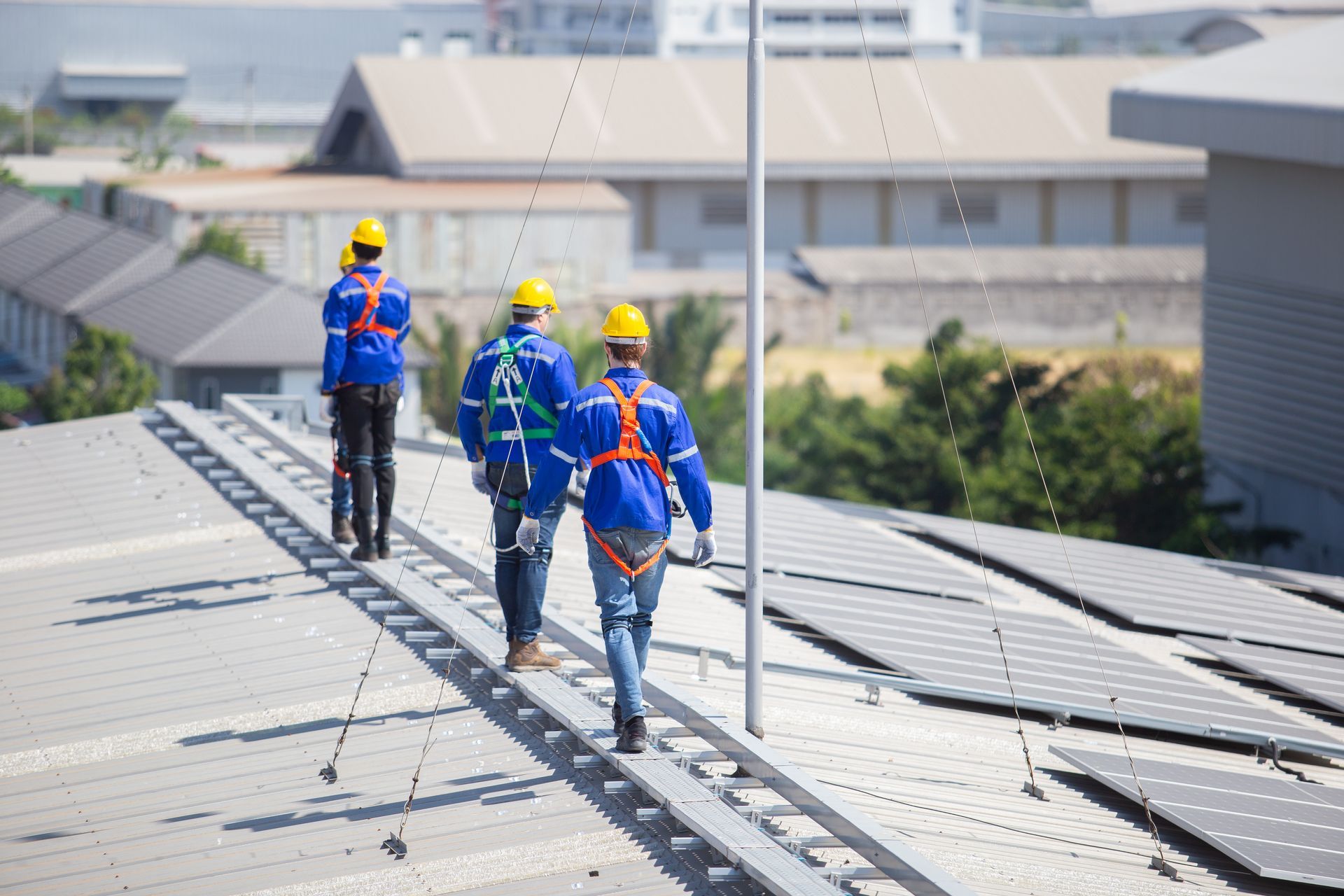
Rooftop Training
Fall protection, equipment setup, and safe practices for elevated work. Essential for anyone working on roofs.

Solar Safety Training
Specialized training for cleaning solar installations. Handle delicate equipment safely while protecting yourself.
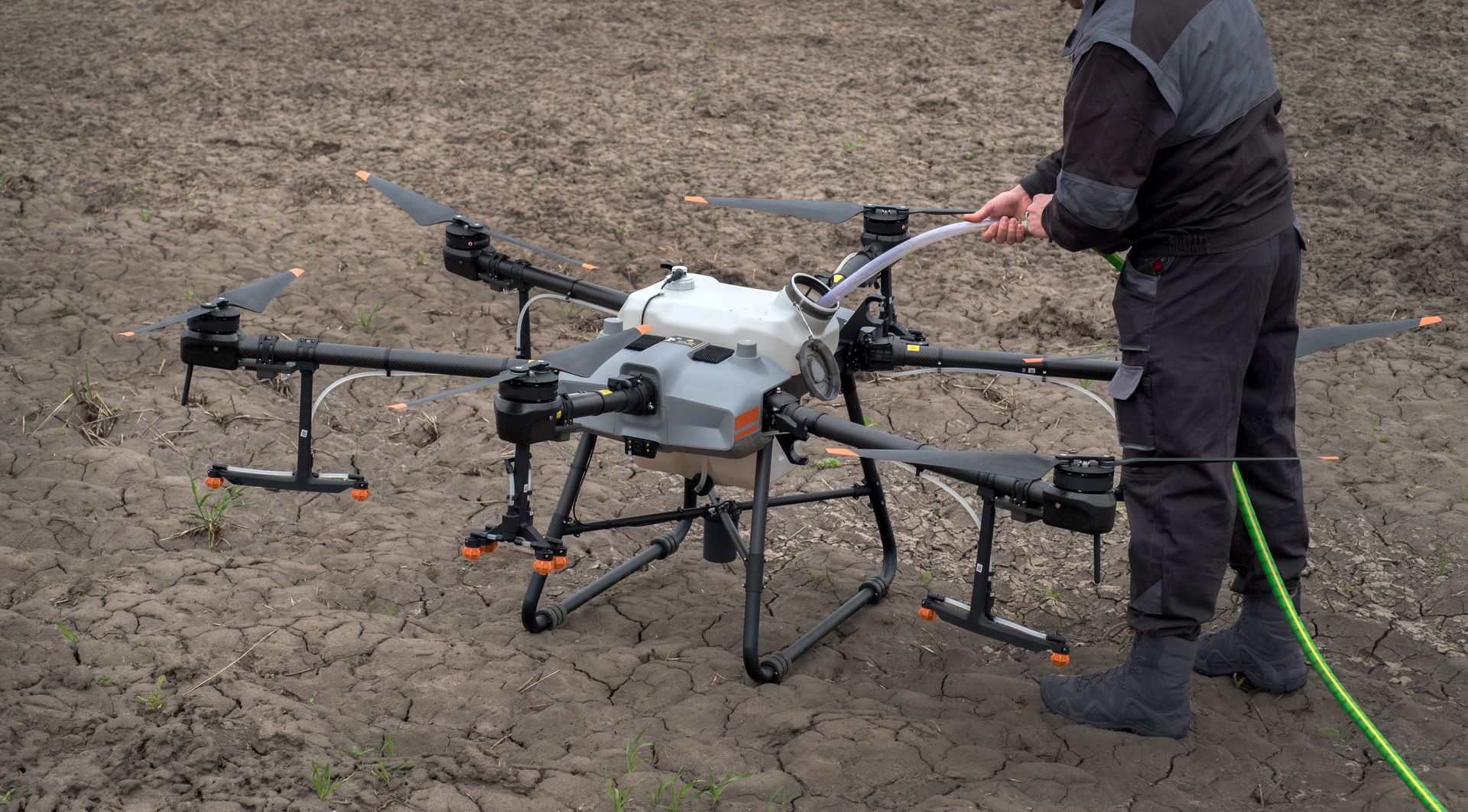
Drone Safety Training
FAA compliance and safe drone operation for inspections and marketing. Fly legally and responsibly.
Chemical and Health Safety
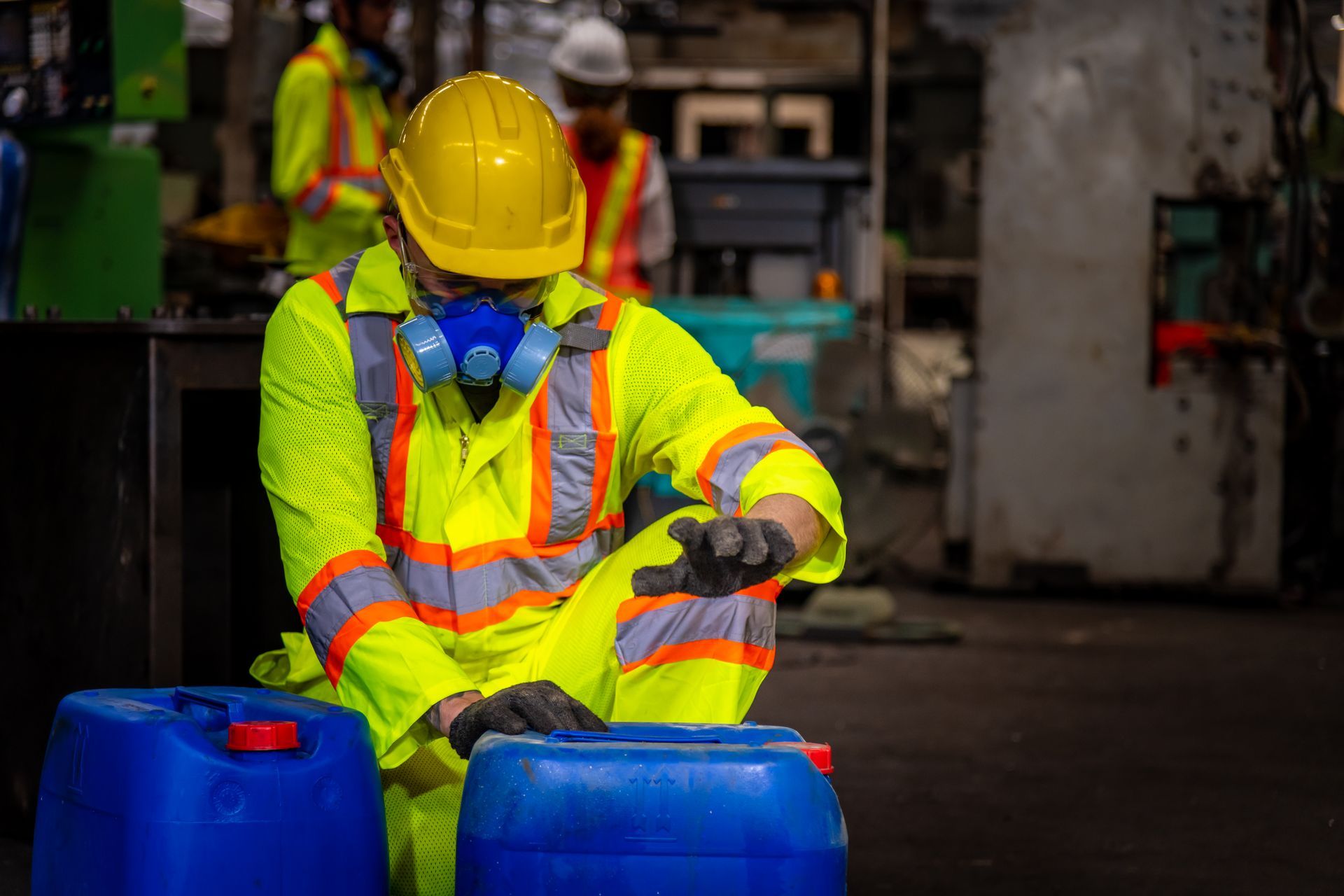
Chemical Safety Training
Safe handling, storage, and application of cleaning chemicals. SDS sheets, PPE requirements, and exposure prevention.
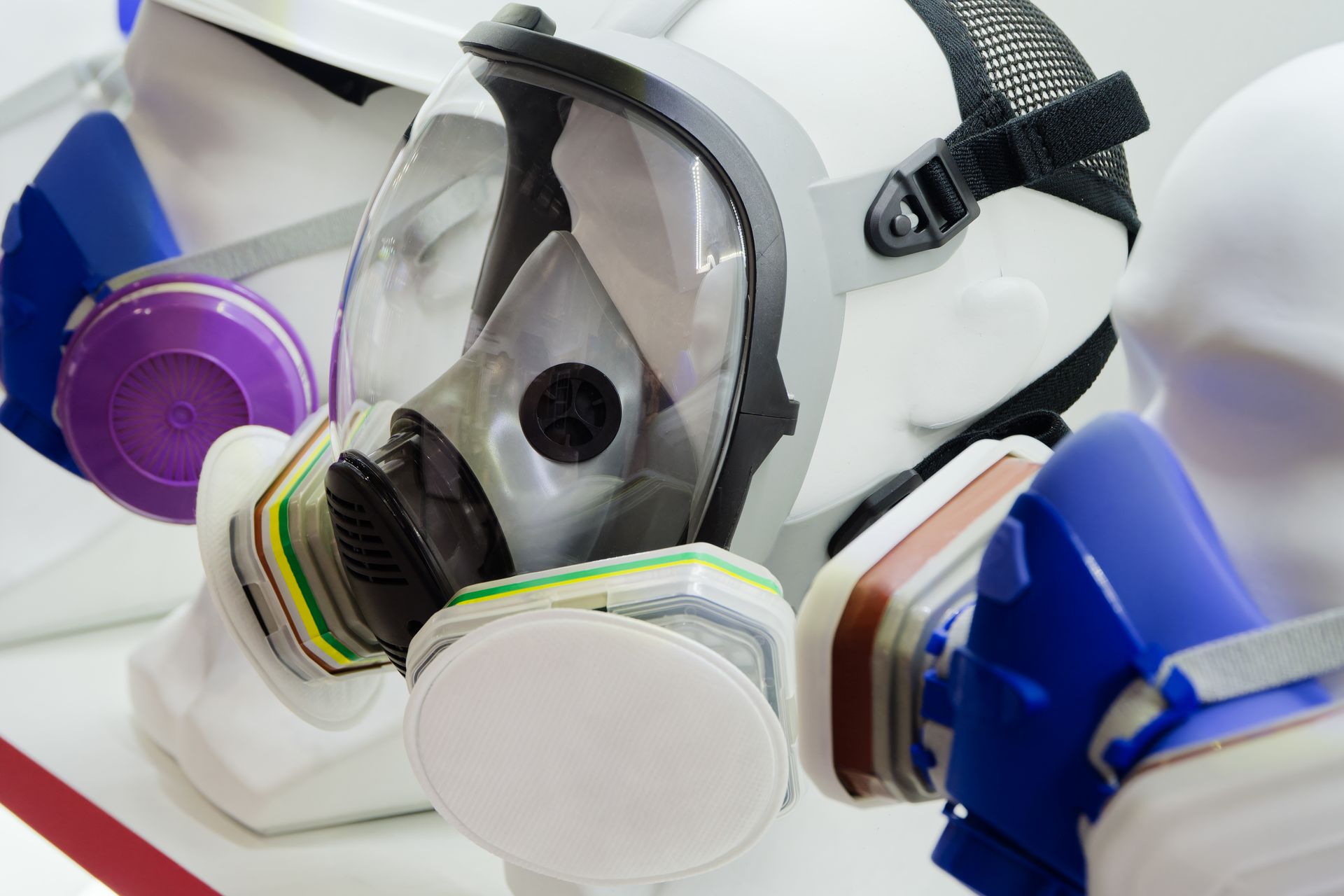
Respiratory Training
Proper respirator selection and use. Protect yourself from chemical exposure and airborne hazards.
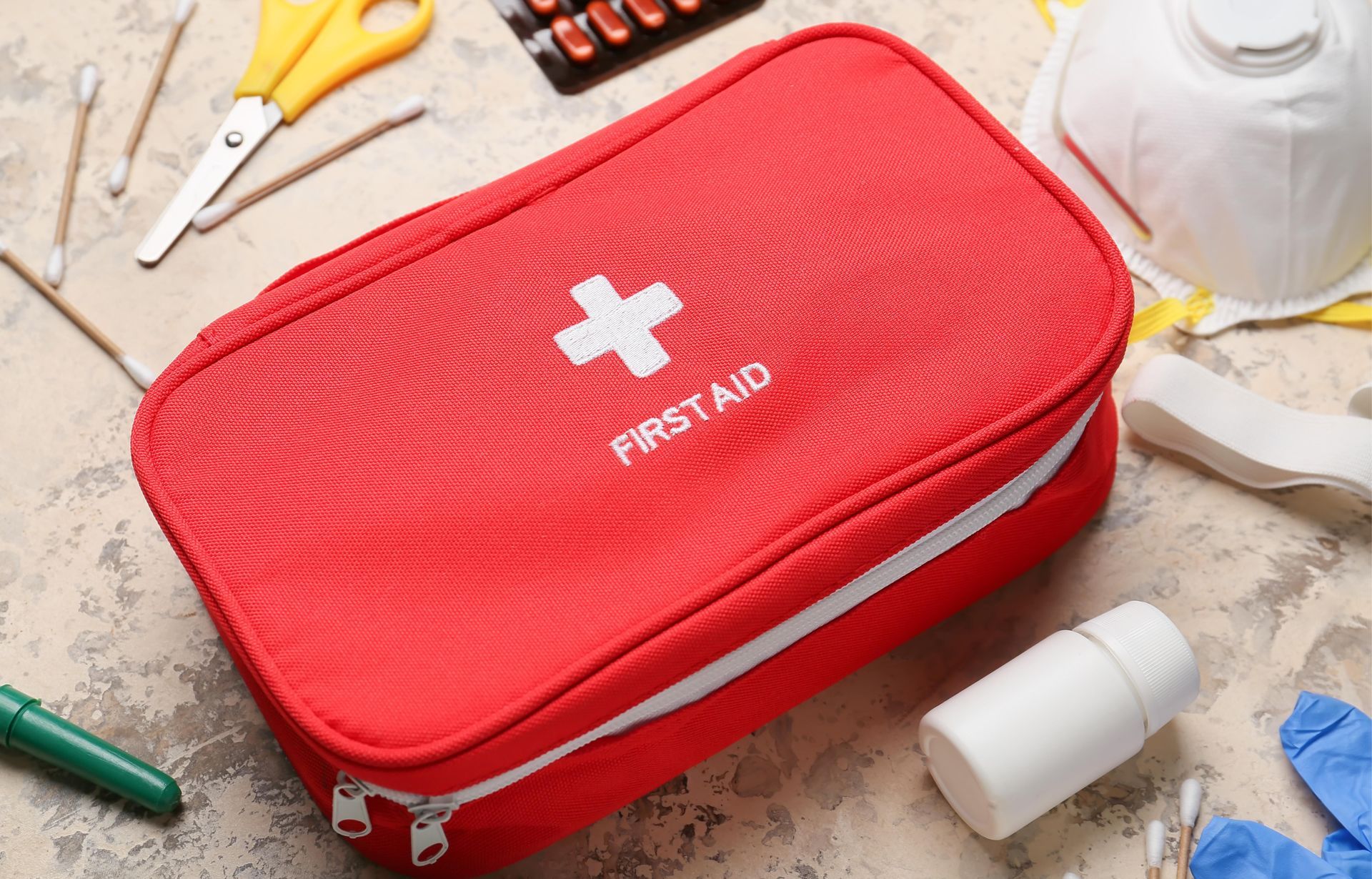
First Aid Safety Training
Emergency response and jobsite injury management. Be ready when seconds count.
Safety & Compliance Training — Frequently Asked Questions
Frequently Asked Questions
Safety and Compliance Training is where preventable accidents stop happening. This isn't a checkbox exercise — it's a deep dive into OSHA jobsite standards, EPA water and chemical handling, DOT equipment transport rules, and the real-world protocols that keep your crew, your clients, and your business protected. Whether you're brand new to the trade or you've been running a rig for years, this training closes the gaps that separate a close call from a shut-down job site — the kind of gap that shows up in your insurance premiums and your reputation.
Do I have to complete Safety & Compliance Training before I can get certified?
Yes — the Compliance Package is a prerequisite for all PWNA certifications. It's the foundation every credential is built on, so before you move into certificate coursework, you'll need these courses completed.
Which safety course should I take first?
Most contractors start with OSHA 1910 and Chemical Safety, since those cover the broadest set of day-to-day risks. From there, add courses that match your specific work — Rooftop or Ladder Safety for elevated work, DOT for anyone hauling equipment across state lines.
Does PWNA safety training satisfy OSHA requirements?
This training is designed to align with OSHA 1910 General Industry Standards, but requirements can vary by jurisdiction and business structure — confirm specifics with your compliance advisor if you're unsure.
How often does compliance training need to be renewed?
Renewal timelines vary by course. Check the individual training page for specifics.
Can completing this training help with insurance costs?
Many contractors find that documented safety training supports better conversations with insurers, since it demonstrates a proactive safety program — though outcomes depend on your carrier and policy.
Do I need to complete every course, or can I pick the ones relevant to my business?
The Compliance Package covers the core courses required for certification, but beyond that, you can pick and choose based on your services and risk exposure — a crew that never touches a roof doesn't need Rooftop Safety, but a crew running solar cleanup does.
Is this training suitable for a solo operator, or is it built for crews with employees?
Both. Solo operators benefit from the same hazard awareness and compliance knowledge, even without a crew to manage — and the training scales naturally if you bring on employees down the line.
What happens if I skip this training and something goes wrong on a job?
Beyond the immediate safety risk, gaps in documented training can affect how an OSHA investigation, insurance claim, or lawsuit plays out after an incident. Completed training doesn't eliminate risk, but it shows a good-faith effort to operate compliantly.
Do these courses cover state-specific regulations, or just federal standards?
This training is built around federal OSHA, EPA, and DOT standards. Some states layer on additional requirements, so contractors working in a state-plan state should check with a local compliance advisor for anything beyond the federal baseline.