Technical Power Washing Training | PWNA
Master cleaning techniques, restoration methods, water reclamation, and equipment operation with PWNA technical training courses.
Technical Training vs. Certificate Courses: What's the Difference?
It's a fair question, since both live under Education. Certificate Courses are discipline-specific and result in a credential you can show clients — House Wash Certification, Roof Cleaning Certification, and so on. Technical Training digs into the underlying skills that support all of those disciplines: how pressure washers actually work, how to read a surface, how to rig safe access to elevated areas, how to test slip resistance. Think of Technical Training as the toolbox, and Certificate Courses as what you build with it.
There's no required order, but most contractors get more out of certificate courses after working through Power Washing 101 and 102 first — the fundamentals make the discipline-specific training click faster.
Where to Start
New to the trade or moving from residential into commercial work? Start with Power Washing 101, then 102. Already comfortable with the fundamentals and expanding into elevated or specialty work? Simple Rope Access Systems, Solar Cleaning, and Window Cleaning are where contractors typically add new revenue lines.
Core Technical Courses
From Fundamentals to Mastery: Technical Training That Grows With You
Power Washing 101
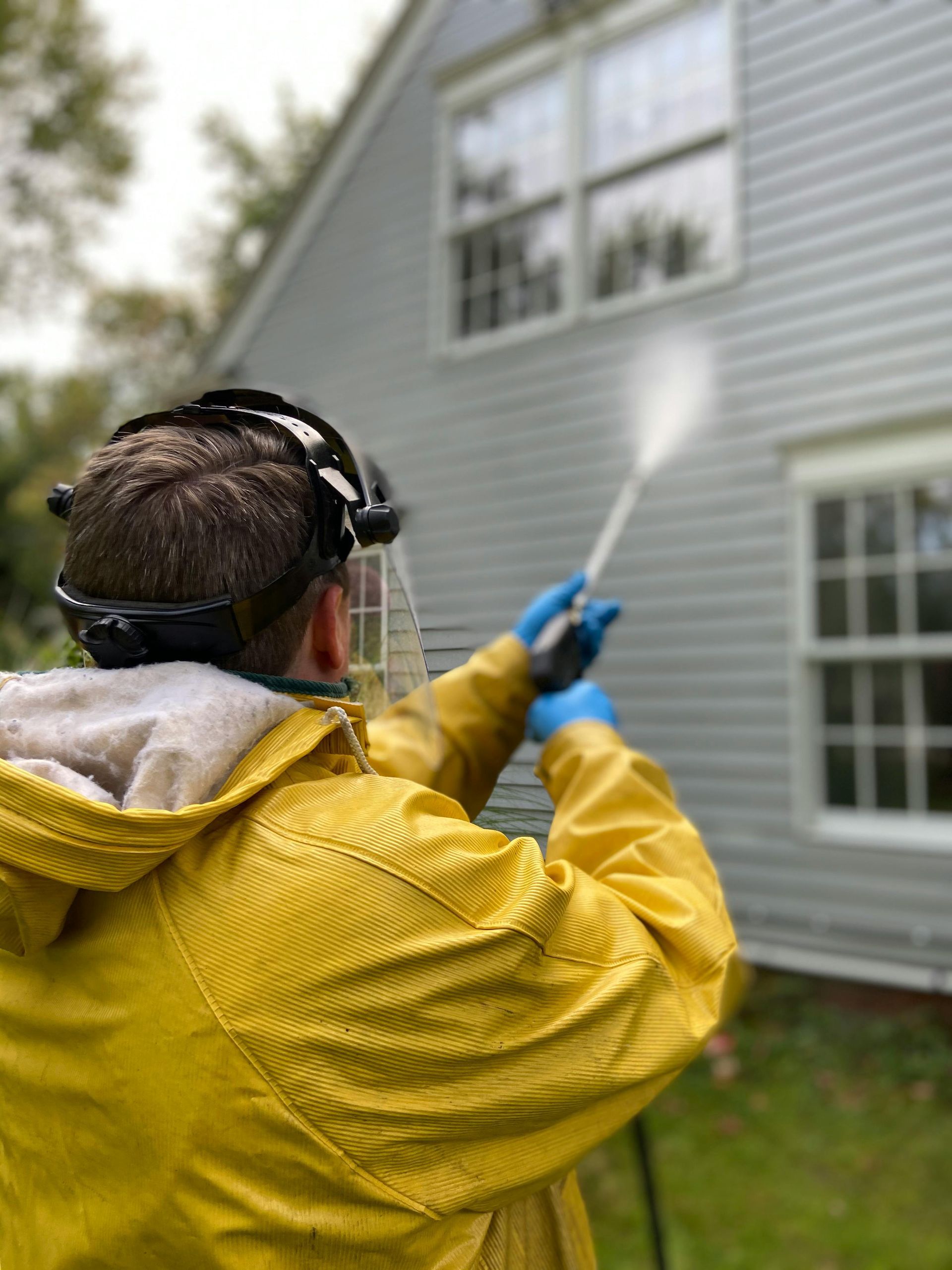
Foundational equipment and technique training. Covers pressure washer mechanics, PSI and GPM fundamentals, nozzle selection and spray patterns, surface distance relationships, proper cleaning angles, basic chemical principles, equipment maintenance, and safety protocols for gas and electric units.
Power Washing 102
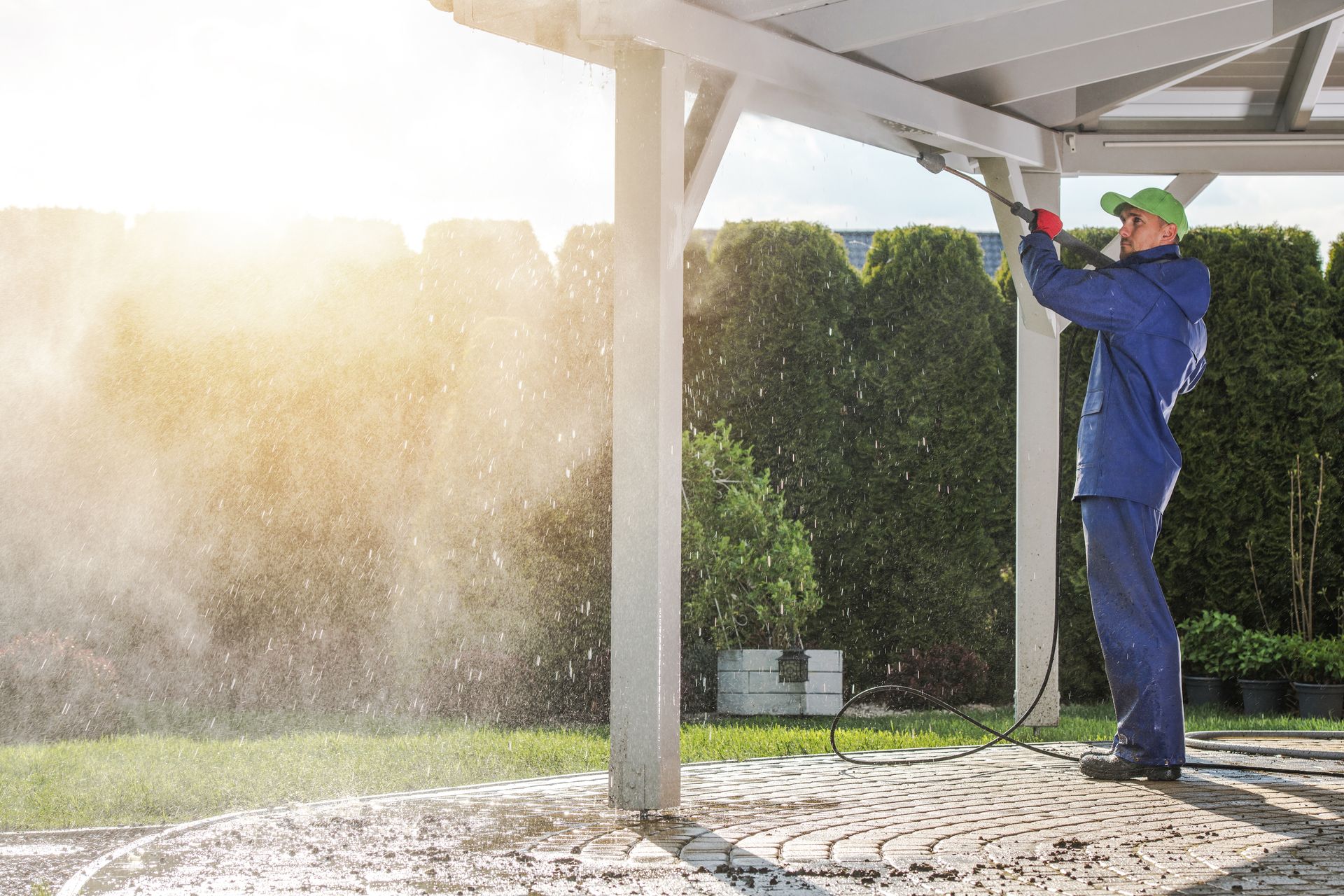
Advanced technical applications and methodology. Includes multi-surface projects, complex chemical formulations, downstream and upstream injection systems, surface temperature considerations, water flow optimization, equipment troubleshooting, advanced nozzle configurations, and efficiency techniques for commercial applications.
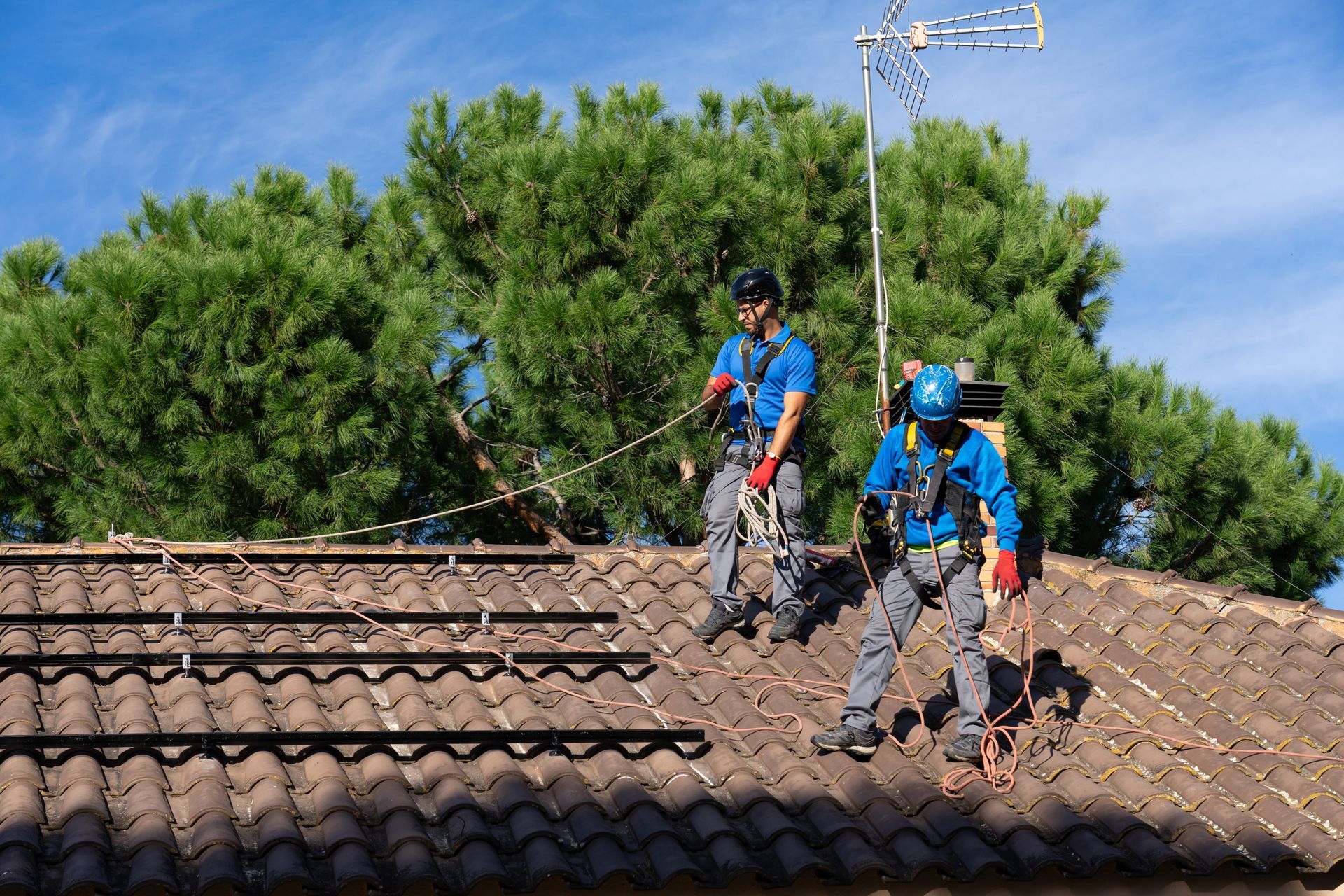
Simple Rope Access Systems
Basic rigging and access techniques for exterior cleaning. Covers anchor point selection and load calculations, rope types and working load limits, simple mechanical advantage systems, fall protection integration, proper knot applications, equipment inspection protocols, and safe elevated access for cleaning operations.
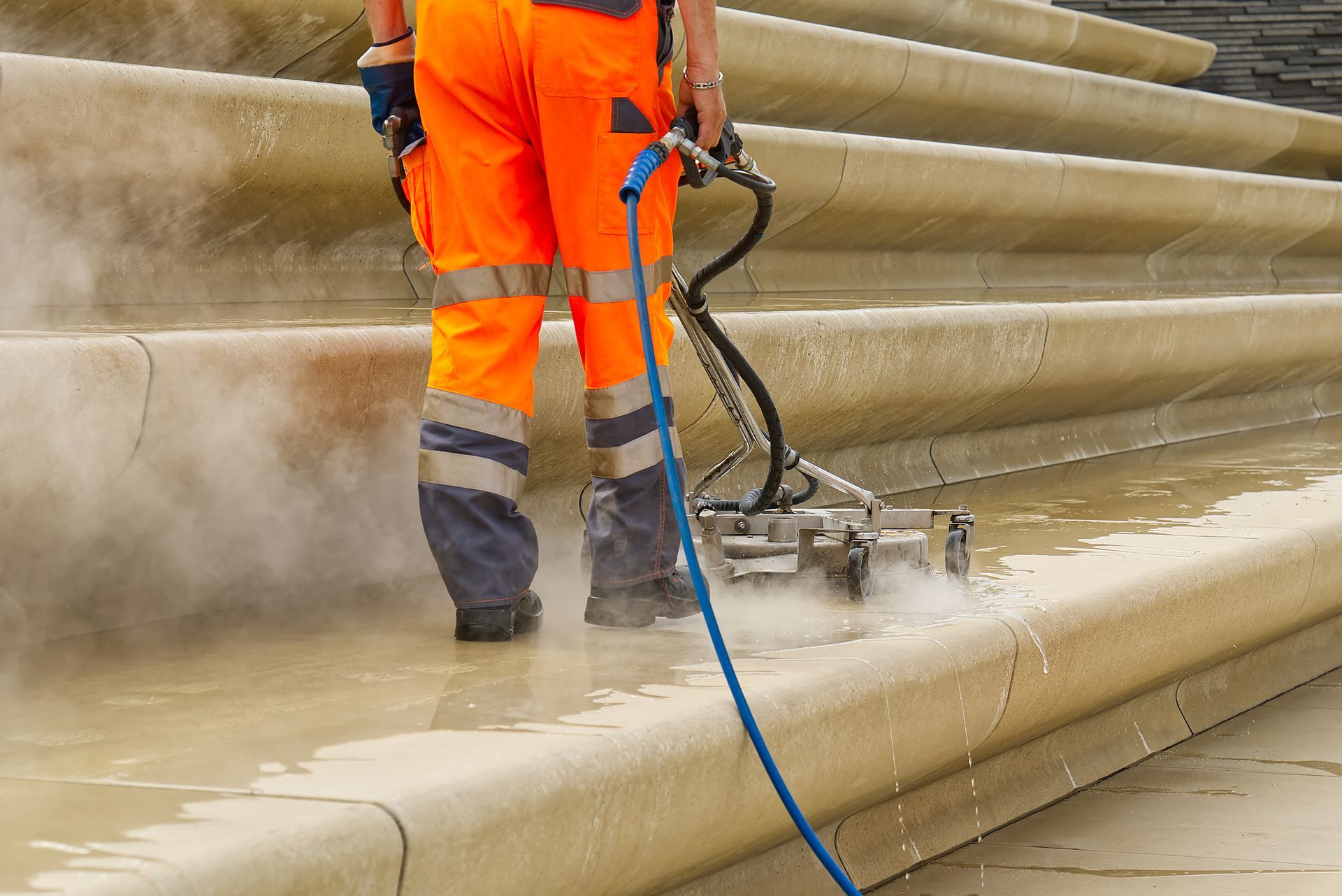
Coefficient of Friction
Technical surface analysis and slip resistance testing. Understanding friction measurements, ASTM testing standards, surface texture assessment, pre and post-cleaning coefficient values, documentation methods, liability considerations, and maintaining safe walking surfaces in commercial applications.
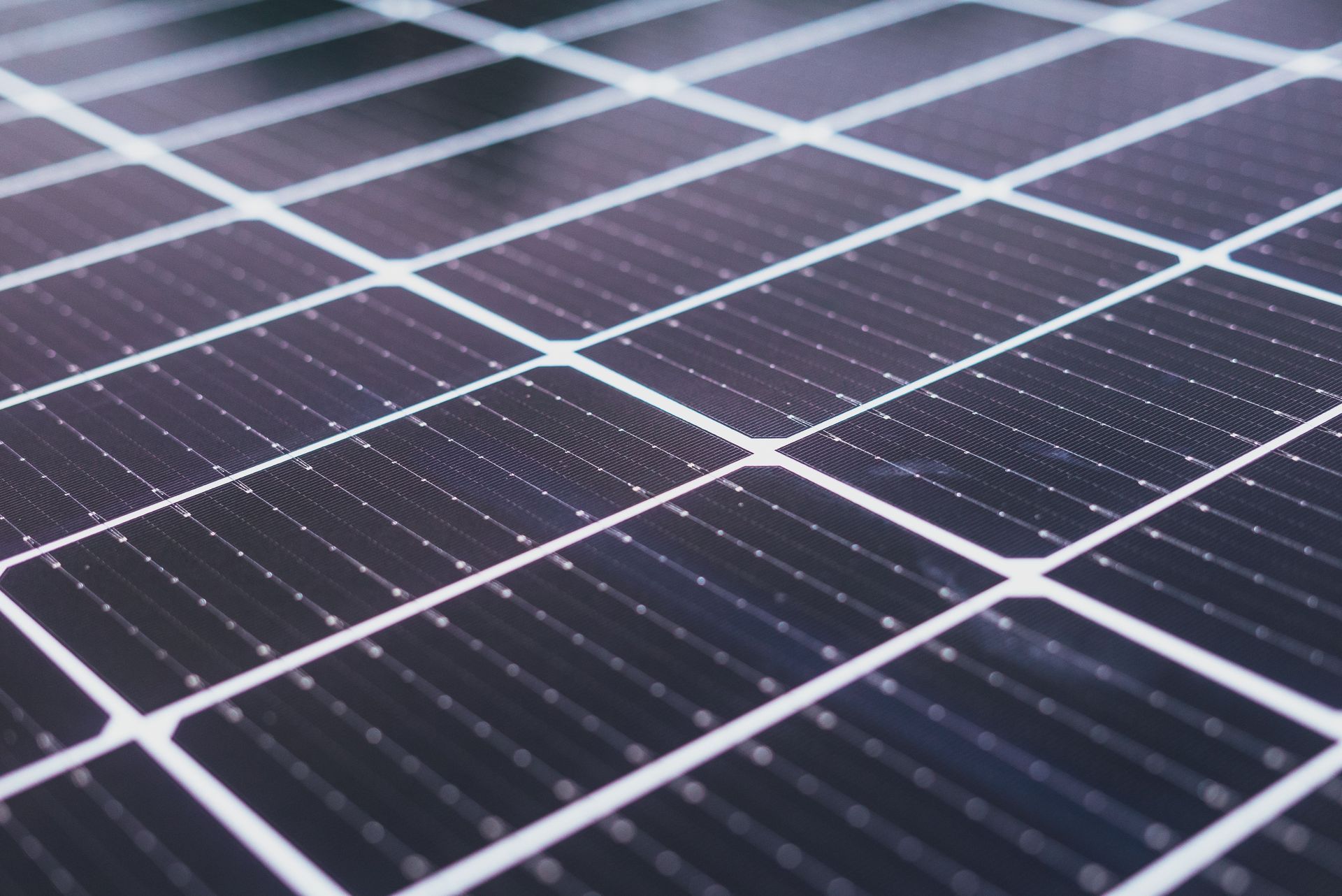
Solar Cleaning Training
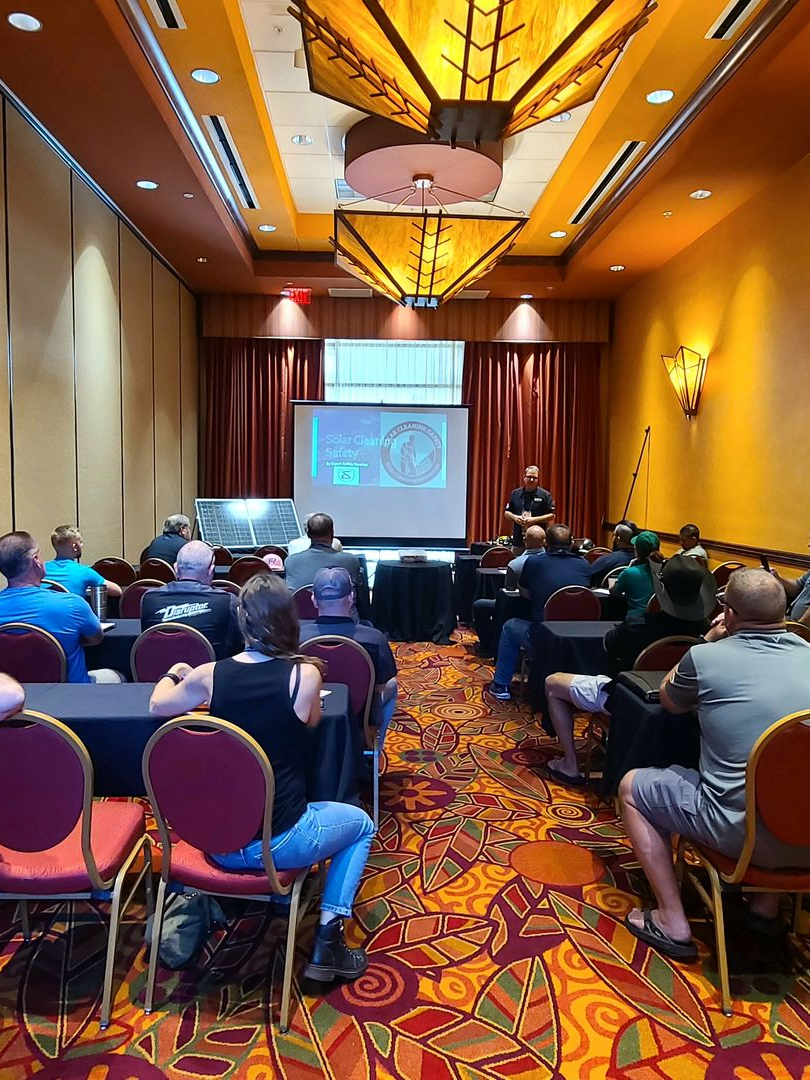
Specialized care and technique training for photovoltaic systems. Covers panel construction and fragility considerations, approved cleaning solutions and equipment, soft-brush and deionized water methods, panel access and rooftop safety protocols, output impact and cleaning frequency guidance, manufacturer warranty compliance, and documentation practices for commercial solar accounts.
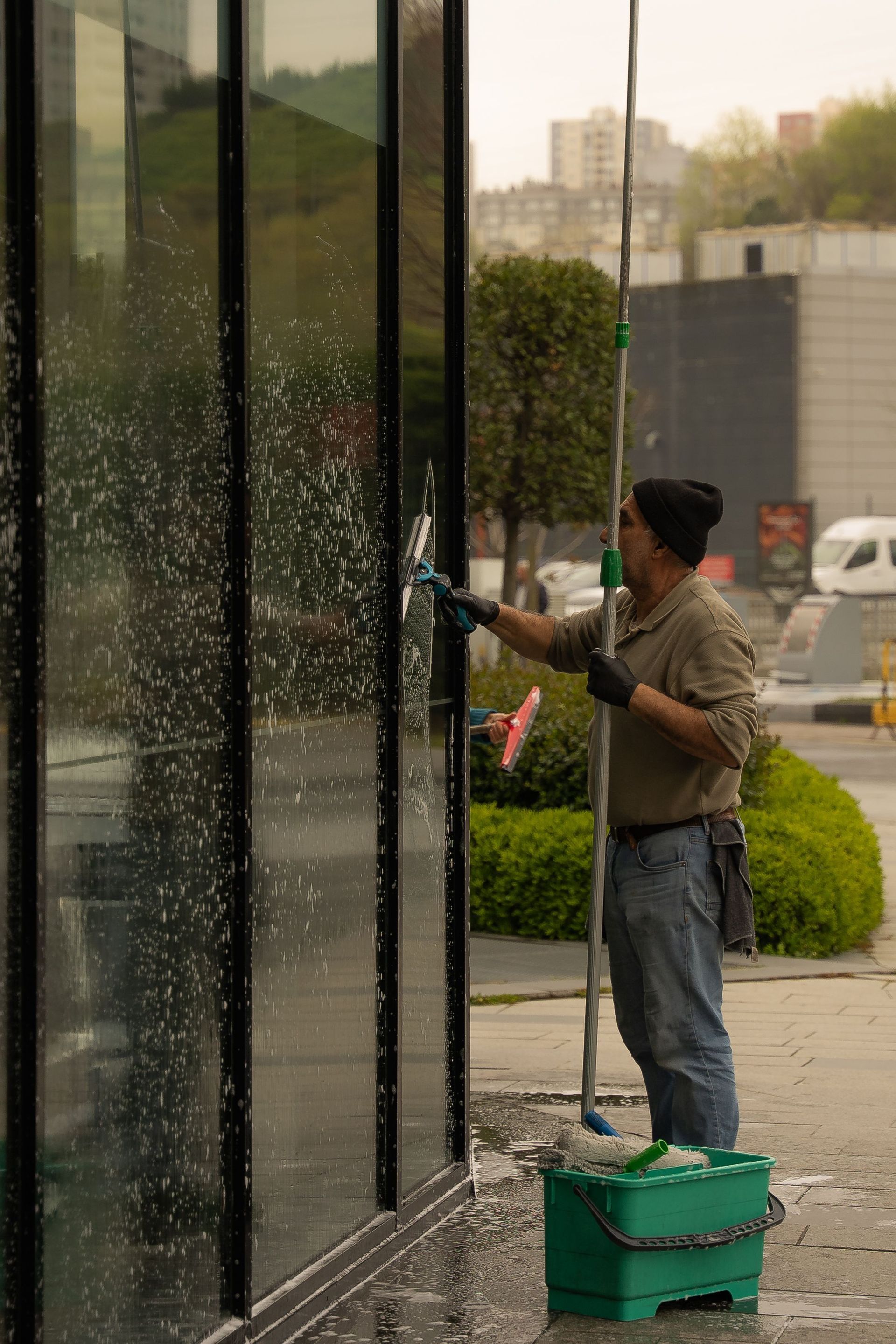
Window Cleaning Training
Professional-grade technique and tool training for glass surfaces. Covers squeegee and applicator technique, water-fed pole systems and pure water theory, screen and track cleaning, hard water stain and mineral deposit removal, streak-free finishing methods, high-rise and multi-story safety considerations, and seasonal scheduling strategies for repeat business.
PWNA technical training courses provide essential knowledge and skill development for exterior cleaning professionals at all experience levels. These programs cover fundamental equipment operation, advanced cleaning methodologies, specialized access techniques, and technical surface analysis.
Whether you're establishing core competencies or expanding into specialized applications, these courses deliver the technical foundation needed for safe, efficient, and effective exterior cleaning operations.
Technical Training — Frequently Asked Questions
Frequently Asked Questions
Technical Training is where the real skill-building happens. This isn't a crash course — it's a deep dive into surface identification, chemical selection and dilution ratios, pressure and technique for different materials, equipment setup and maintenance, and the safety protocols that keep you and your customers protected. Whether you're brand new to the trade or you've been running a rig for years, this training closes the gaps that separate guesswork from genuine expertise — the kind that shows up in your results and your reviews.
What's the difference between Power Washing 101 and 102?
101 covers the fundamentals — equipment, pressure, technique, and safety. 102 builds on that foundation with advanced applications like chemical injection systems, multi-surface projects, and commercial-scale efficiency.
Do I need rope access experience before taking Simple Rope Access Systems?
No prior experience is required, but a solid grasp of Power Washing 101 fundamentals will help the rigging and access concepts click faster.
Why does Coefficient of Friction matter for a cleaning contractor?
Slip-and-fall liability is a real risk on commercial properties. This course teaches you how to measure and document surface safety before and after cleaning, protecting both your clients and your business.
Can I take Window Cleaning Training if I've never used a water-fed pole system?
Yes — the course starts with the fundamentals of pure water theory and pole systems before moving into technique, so no prior experience is needed.
Will Solar Cleaning Training void a panel manufacturer's warranty?
No — the course is built around manufacturer-compliant methods and approved cleaning solutions specifically so your work protects, rather than jeopardizes, warranty coverage.
Do I need to complete Power Washing 101 and 102 before taking the specialized courses?
It's not required, but the foundational knowledge from those two courses makes concepts in rope access, window, and solar training easier to apply.
Are these courses updated as equipment and techniques evolve?
Yes — course content is reviewed and updated to reflect current equipment, methods, and industry standards, so you're always training on relevant material.
Can I add multiple specializations, like solar and window cleaning, to grow my service offerings?
Absolutely — many contractors use these courses to expand into new service lines, and each one stands alone, so you can add specializations in whatever order fits your business goals.
Is there a test or assessment at the end of each course?
Yes — each course includes an assessment to confirm you've absorbed the material before your certificate of completion is issued.